Grounded in Gratitude

Grounded in Gratitude: Simple Ways to Invite Joy into Your Everyday

For me, gratitude isn’t just a feeling but a practice. It’s a gentle, intentional way of tuning into what’s good, even when life feels heavy or uncertain. It’s the quiet noticing of something beautiful, a soft whisper of appreciation, and the conscious choice to focus on what uplifts me.

In my own journey, gratitude has become a grounding ritual. Whether I’m out on my morning walk, sipping my coffee in the morning light, or reflecting on what fills my life with warmth, I’ve found that gratitude opens the door to joy, clarity, and connection.

Here are some simple ways to welcome more gratitude into your day.

Create Your Daily Gratitude Ritual

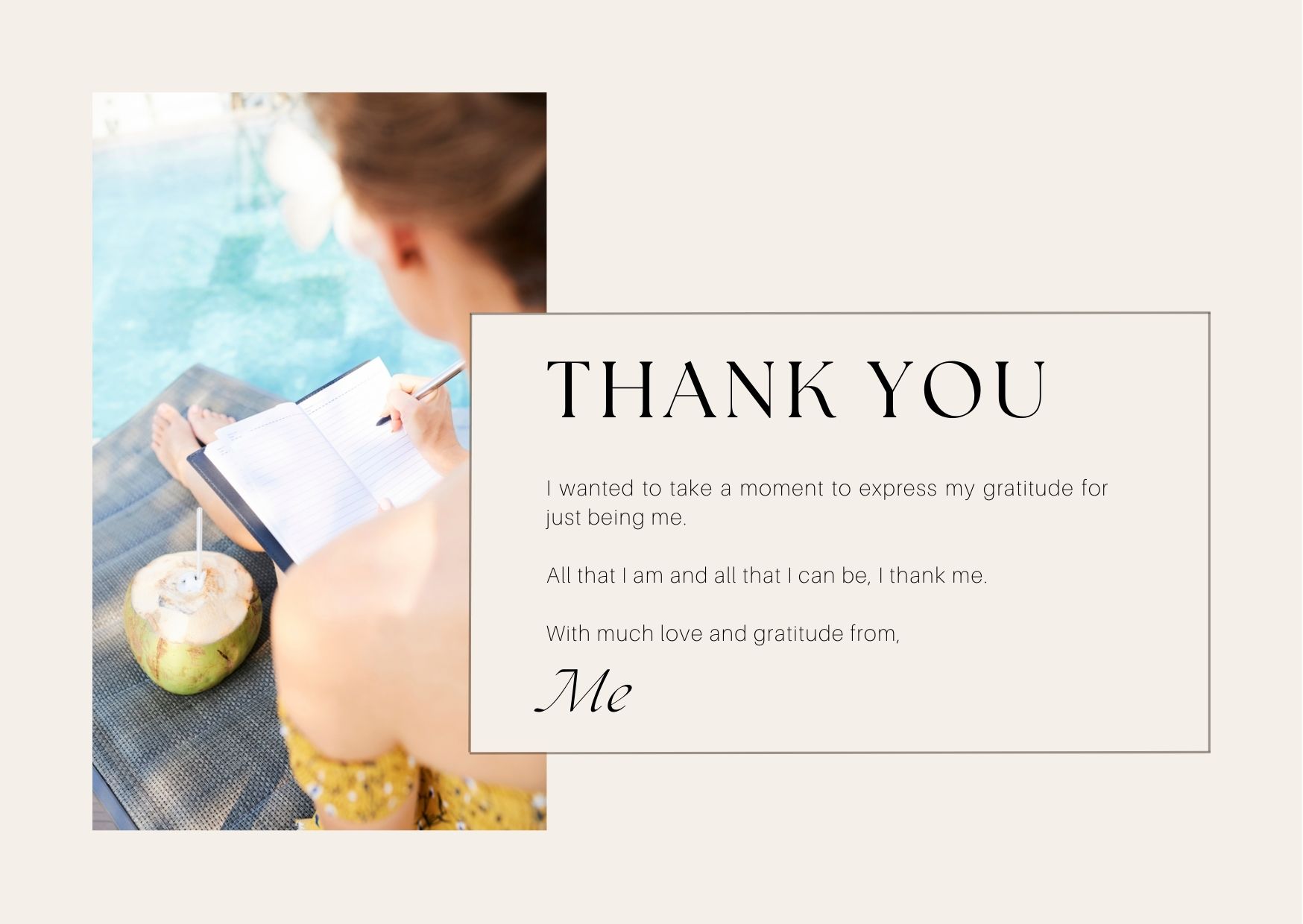
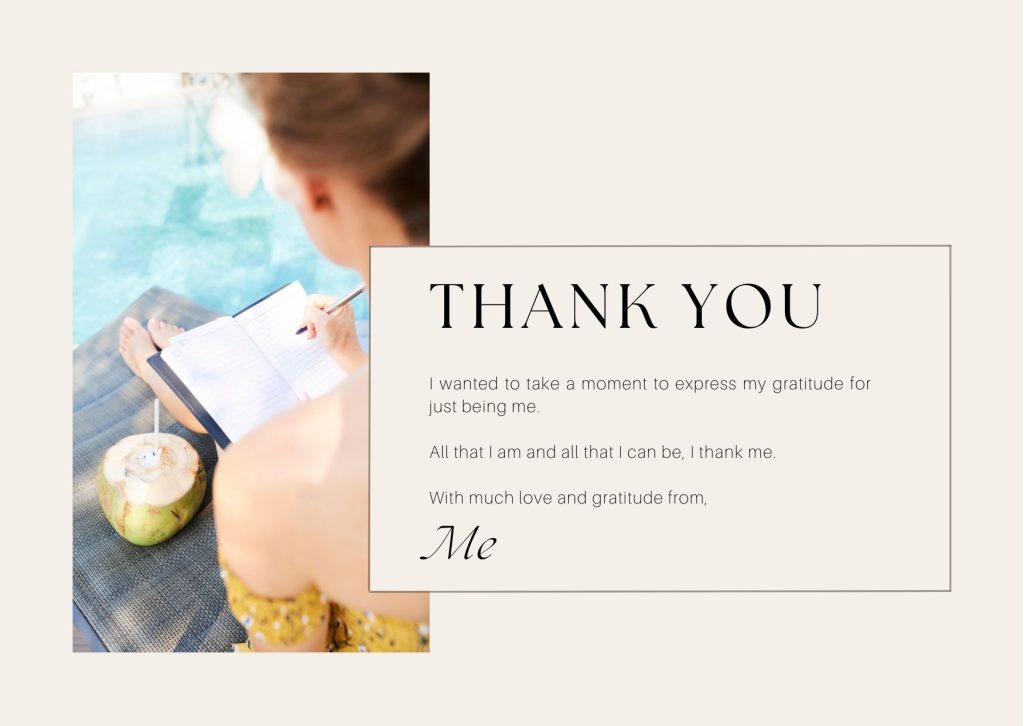
Start or end your day by jotting down a few things you’re thankful for. It doesn’t have to be grand, sometimes the smallest moments hold the most magic.

    • A kind word from a friend
    • A delicious meal cooked for you by someone close to your heart
    • The warmth of your pet curled up beside you
    • A moment of stillness before the day begins
    • A shared joyful moment filled with laughter

Celebrate the Little Things

Gratitude lives in our everyday. It’s in the first sip of coffee, the sound of birdsong, the smile from a stranger. When we slow down and savour these moments, we begin to see how rich life truly is.

Writing down what you’re grateful for helps anchor your awareness in what feels good, and over time, it gently shifts your focus toward the abundance already present in your life.

Try this: Pause for a moment and notice something beautiful around you. A texture, a scent, a sound. Let it fill you with appreciation.

Speak Your Thanks

Let people in your life feel valued. A heartfelt “thank you,” a message of appreciation, or a warm hug can ripple outward in ways you may never fully see.

Gratitude shared is gratitude multiplied.

Spread Kindness

One of the most powerful ways to express gratitude is through action. Whether it’s helping a neighbour, sending a thoughtful note, or simply offering a smile, kindness creates a cycle of goodwill that lifts everyone involved.

When you give from a place of gratitude, you invite more love and connection into the world.

Gratitude Prompts for Reflection

When you’re feeling stuck or overwhelmed, some gentle prompts can help you reconnect with what’s good.

What are you grateful for today?

    • A meaningful experience
    • A person who inspires you
    • A pet who brings you comfort and joy
    • A place that feels like home
    • An object that offers pleasant memories or delights you

Tune into your senses:

    • What do you see that brings you joy?
    • What sounds soothe or energise you?
    • What flavours or scents do you appreciate?
    • What textures or sensations feel comforting?

These reflections can ground you, calm your nervous system, and remind you of the richness that surrounds you, even during difficult times.

Breathe Into Gratitude

Sometimes, the most profound gratitude is found in the simplest act, breathing. Take a moment to focus on your breath. Slowly breathe in and out. Focus your mind on the rhythm. Be thankful for the life it sustains, the calm it offers, the presence it invites.

Affirmations to Anchor Your Day

Here’s a collection of affirmations you can whisper to yourself, write in your journal, or carry with you throughout the day:

    • I am grateful for this life and every new day I wake to.
    • I am thankful for the people who uplift and inspire me.
    • I appreciate the health I have and the healing I’m open to.
    • I welcome new opportunities and trust in second chances.
    • I honour my ability to give and receive love.
    • I am surrounded by good energy and kind souls.
    • I cherish nourishing food, music that moves me, and sunshine on my skin.
    • I celebrate laughter, learning, and the beauty of nature.
    • I trust that the universe provides what I need, when I need it.

Gratitude as a Way of Being

Gratitude isn’t just a list, it’s a lens. A way of seeing the world that softens the edges and brightens the shadows. When we begin our day in a state of appreciation, we open ourselves to flow, connection, and possibility.

Whether you’re journaling, walking in nature, or simply pausing to breathe, know this, every moment of gratitude is a step closer toward joy.


The Power of Journaling: Why I Found It Matters and How I Made It Work

The Power of Journaling: Why I Found It Matters and How I Made It Work

When life gets busy and events around me move fast and feel like it demands more every day, journaling offers me a quiet rebellion—a moment to pause, reflect, and reconnect with myself. Whether I’m chasing clarity, creativity, or calm, keeping a journal has proven to be a transformative habit and one that I’ve been able to build on. In the article below, I dive into the purpose of journaling, its benefits, how to get started, and how to find the perfect journal for your unique style.

Why Do I Journal? The Purpose Behind the Pages

For me, journaling isn’t just about writing—it’s about processing. A tool for:

  • Self-reflection: Understanding thoughts, emotions, and patterns.
  • Mental clarity: Untangling mental chaos and making sense of my day.
  • Emotional release: I can vent, celebrate, grieve, or dream, all without judgment.
  • Goal setting: Track my progress, set my intentions, and keep myself accountable.
  • Creativity: Spark ideas, explore stories, and let my imagination roam.

Whether I’m navigating a big life change or simply want to be more present, journaling helps me tune back into my inner world.

The Benefits of Journaling

Research shows that journaling is known to be good for our mental wellbeing and clarity. Here’s some ways how:

  • Improves mental health: Studies conducted have shown that journaling can reduce anxiety, depression, and stress.
  • Boosts self-awareness: You may start to notice patterns, triggers, and growth.
  • Enhanced focus and productivity: Writing down goals and tasks helps to stay on track.
  • Strengthens communication: Expressing yourself on paper can improve how you speak and connect with others and yourself.
  • Supports better sleep: A nightly brain dump can help quiet racing thoughts and ease you into rest, ready for a good night of sleep.

How to Journal: Some Simple Ways to Start

Don’t think that you need fancy prompts or perfect handwriting, just start. Here are a few approaches:

  • Write freely: Set a timer for 5–10 minutes and write whatever comes to mind.
  • Gratitude journaling: List 3–5 things you’re grateful for each day. Try to find different things to be grateful for every day.
  • Prompt-based journaling: Use questions like “What did I learn today?”, “How can I do better” or “What am I avoiding?”
  • Bullet journaling: Combine planning, tracking, and reflection in a structured format.
  • Creative art journaling: Mix sketches, doodles, and collage with words to express yourself visually.

The key is consistency over perfection. Even a few lines a day can make a difference that you’ll see over time.

Finding the Best Journal for You

Your journal should feel like an extension of you. Some things you might like to consider when selecting a journal that suits your needs:

Journal Type

Best For

Features to Look For

A lined notebook

Daily writing & reflection

Smooth paper, sturdy binding

Dot grid journal

Good for bullet journaling & sketching

Flexible layout, numbered pages

A guided journal

Prompt-based reflection

Pre-written questions, themed sections

Digital journal app

On-the-go journaling

Syncing, password protection, reminders

Planner-journal combo

Goal setting & productivity

Calendars, habit trackers, to-do lists

My tip, choose one that feels inviting and fits your needs. If you love the look and feel of it, you’re more likely to use it and once you’re ready to get a new one, assess if the format you using still works for you.

My Last Word

Journaling is a deeply personal practice and over time it’s impact can provide great benefit. It’s not about being a “writer”, it’s about being authentically you.  Whether you journal to heal, to plan, or just to breathe, the pages are always waiting.

My recommendation is to grab yourself a pen, open a page, and start where you are. Your story deserves to be heard, even if it’s just by you.

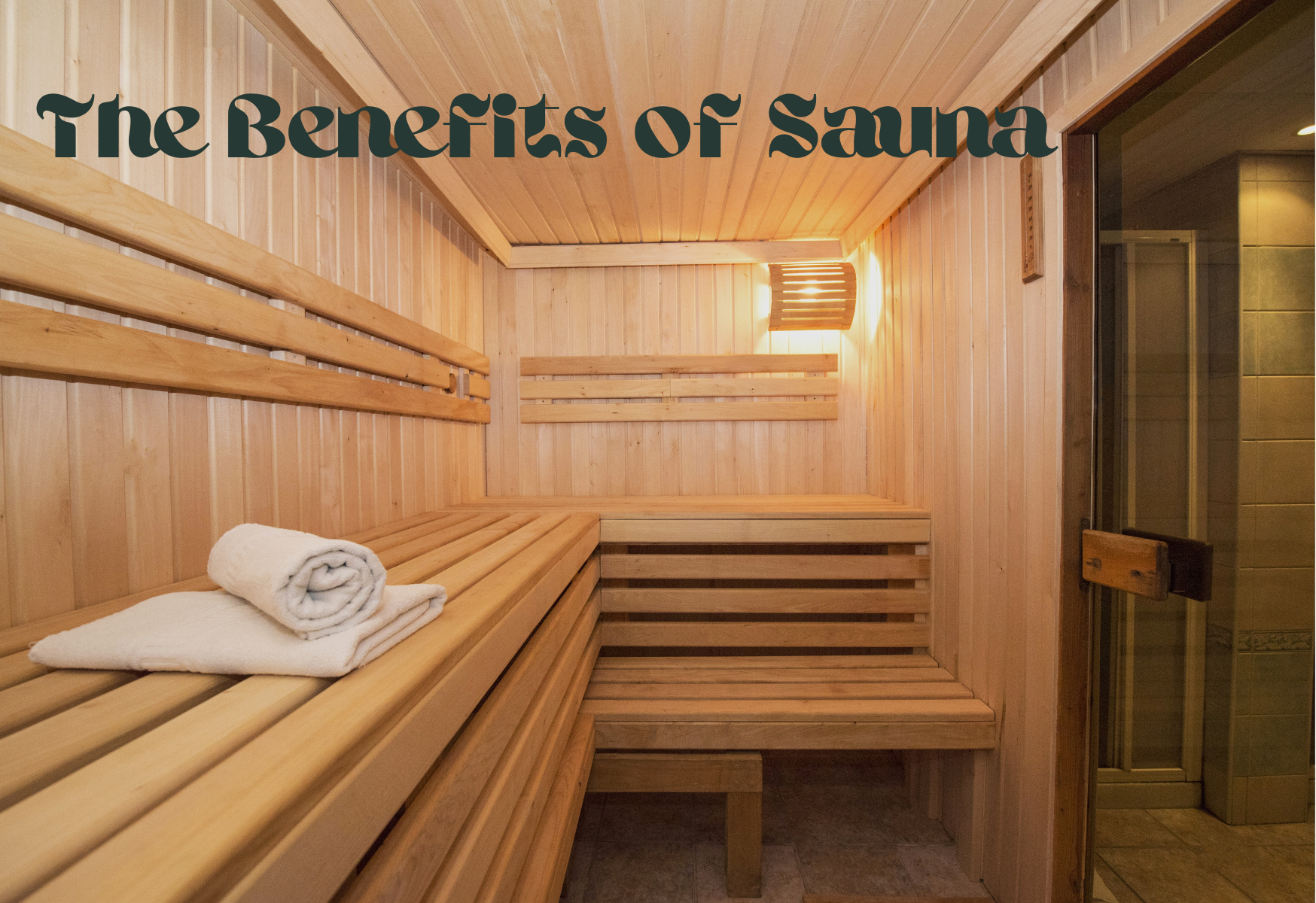
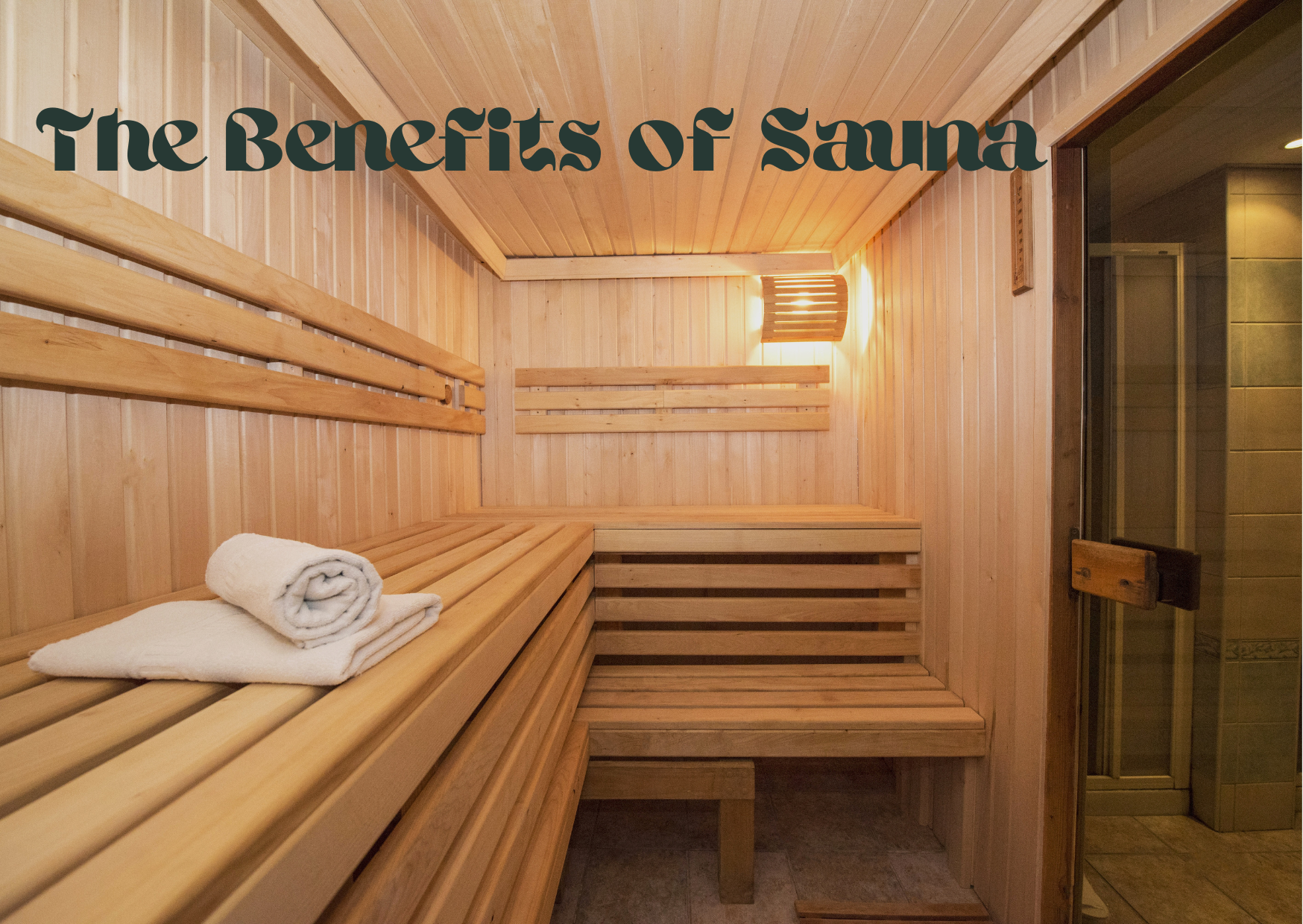
The Benefits of Sauna

What I Found After 2 Weeks of Using My Gym Sauna

Having always wanted my own sauna, set up at home ready to use whenever I feel like it, felt like a far off and expensive dream. Then I discovered that the gym in my office building offered an infra-red sauna and I was able to book and use it whenever I want.

Excited to give it a try, I booked myself in to a two-week trial and made my visits during my lunch break, on the days when time permitted.

Once I stepped into the inviting haven available just for me, it felt like pressing a reset button for my mind and body and beyond the immediate bliss, I found a treasure trove of lasting benefits that I’m excited to share with you.

I Detoxed

Sweating being one of the body’s natural ways of flushing out toxins, during my sauna sessions, the intense heat induced deep sweating, helping to remove harmful substances from my body. Although I felt pretty good straight up, it was after a few times of using the sauna that I saw the real difference. My face had a great glow that was really noticeable, so much so that I received compliments from my co-workers. 

My Circulation Improved

I found out that the heat from the sauna causes blood vessels to dilate, and this enhances blood flow which I found improves circulation and can help lower blood pressure and improve cardiovascular health. So, although not as hard as a HIT circuit, it did feel like I gave my heart a gentle workout.

My Muscles Relaxed

I have a reasonably active lifestyle and if I’m not at yoga, I’m doing a boxing circuit so for me, the sauna offered relief from muscle pain and stiffness. The heat penetrated deep into my muscle tissue, alleviating pain, reducing inflammation, and aiding in a quicker recovery after my workouts.

I Glowed

After a few sessions of regular sauna use, I experienced improved skin quality as my pores were cleansed and my skin took on a satisfying healthy glow. With the increased blood circulation, more nutrients were brought to the skin, enhancing the overall appearance and health of my complexion.

I Got to Down Tools & De-Stress

The calm, peaceful environment of the sauna provided a perfect escape from the hustle and bustle of my daily work demands. The heat helped to relax both my body and my mind, releasing endorphins, my body’s natural feel-good chemicals which are known to help reduce stress levels. The added benefit was the Bluetooth connection where I could connect to Spotify and listen to some relaxing sounds or if the mood took me, an interesting podcast.

I Slept Better

During the time of my regular sauna use, I experienced deeper, more restful sleep. The relaxation induced by each sauna session helped to prepare my body for a good night’s rest, making it easier to fall asleep, stay asleep and waking up feeling refreshed.

My Thinking Was Clearer

Getting back to work after my sauna sessions, I felt more relaxed and mentally focused. The endorphins released during my sessions helped improve my mood and my concentration, and I felt more alert and focused afterwards.

I Saved Money

Having a shared sauna available that I could book, saved me a significant amount of money and avoided having to find a space in my home where it could be set up. There may be some home rental businesses if your local gym or wellness centre doesn’t have a sauna available, and if they do, there may be a well discounted trial offer available that you can take advantage of, to see if sauna sessions are for you.

Incorporating regular sauna sessions into my wellness routine proved to be not just a lovely little luxury but a wise investment into my health. From the detoxification, improved circulation to stress reduction and enhanced mental clarity, I found the benefits of sauna use to be numerous and profound.

So, the next time you find yourself seeking a little bit of self-care, remember that the answer might be as simple as stepping into a warm, welcoming sauna.

Like what you see? Stay connected with Well Above Being and as soon as news lands, we’ll make sure that you’re notified. info@wellabovebeing.au 

Find Wellbeing That Suits You

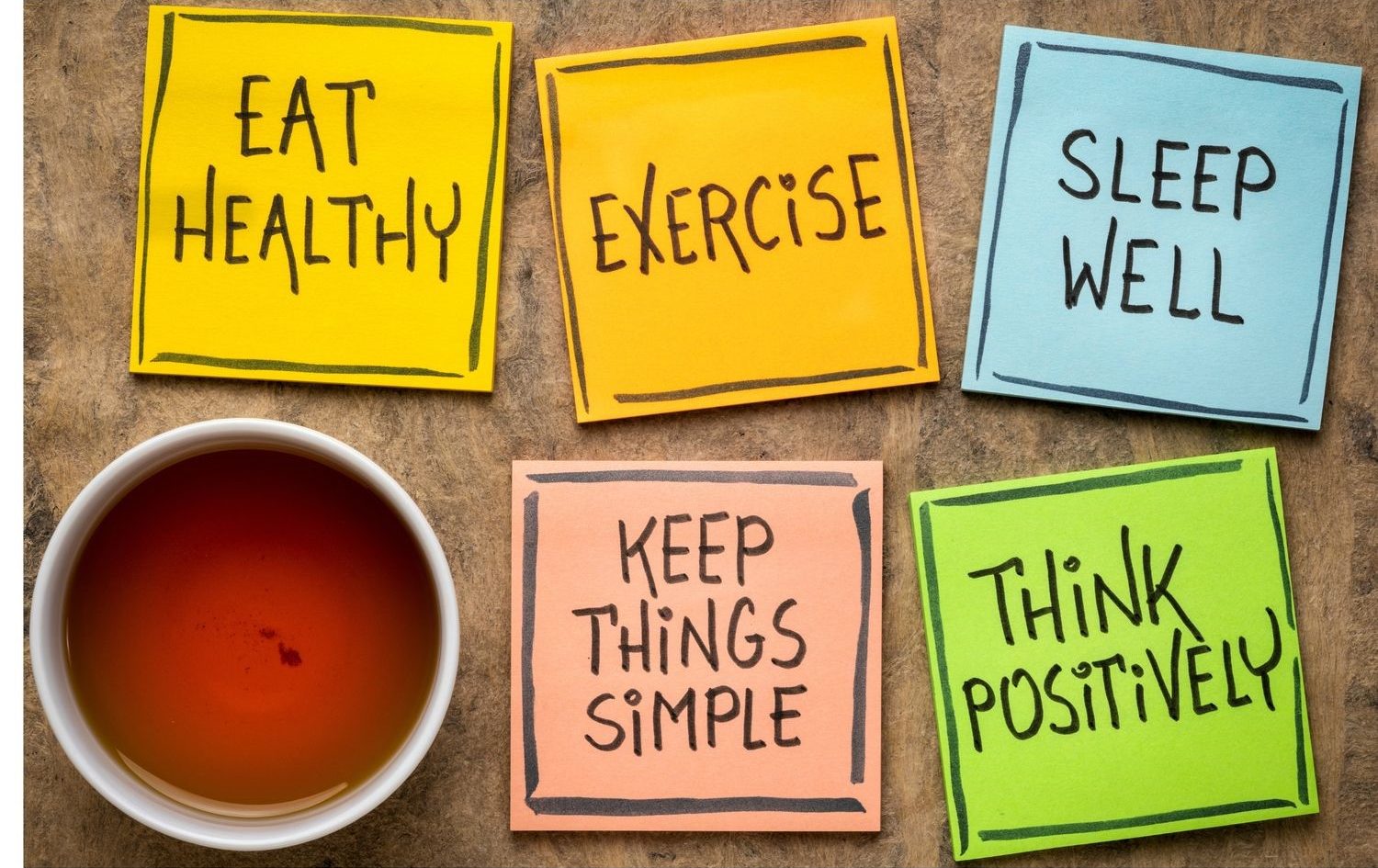
Have you found yourself in the grind, a bit of a rut? Although you enjoy life overall, you may feel that it’s time to venture out, explore more of life, and do something for you. Imagine being surrounded by encouraging and positive energy, spending time achieving things that interest you, and becoming the best version of yourself.

When you spend time doing things that bring you joy, you’ll soon discover how wellbeing plays an integral role in experiencing a fulfilling life. Wellbeing isn’t just about physical health; it encompasses various aspects that contribute to our satisfaction and quality of life. By understanding different types of wellbeing and finding what works best for you, you can cultivate a more balanced and harmonious existence. Let’s delve into some of the different types.

Physical Wellbeing: Physical wellbeing is the state of our physical health, it encompasses lifestyle choices including consistent exercise, balanced nutrition, sufficient sleep, and maintaining a healthy body weight. Engaging in physical activities will not only improve fitness levels but will also enhances our mood and overall energy levels, give you that dopamine hit and will find happiness. With so much on offer such as walking outdoors, doing yoga or Pilates, weight training and any of the many exercise classes on offer, keeping physically fit can be fun as well as rewarding, it’s about finding what you need and enjoy.

Mental Wellbeing: Mental wellbeing is all about our emotional and psychological state and includes managing our stress effectively, cultivating positive thoughts, and developing resilience in the face of challenges. With so many helpful practices such as mindfulness, meditation, and therapy you can contribute to improving your mental wellbeing which also helps your overall wellness.

Emotional Wellbeing: Emotional wellbeing helps us to understand and manage our emotions in a healthy way. Caring for our emotions involves being aware of our feelings, expressing them appropriately, and developing empathy towards others. Building strong relationships and seeking support when needed are essential aspects of emotional wellbeing.

Social Wellbeing: Social wellbeing focuses on our relationships and interactions with others. It involves having a supportive network of friends and family, feeling a sense of belonging in our communities, and fostering meaningful connections. Engaging in social activities, events and volunteering is a great way to positively develop your social wellbeing and can contribute to providing wonderful memories that you’ll have for years to come.

Spiritual Wellbeing: Spiritual wellbeing relates to our sense of purpose, meaning, and connection to something greater than ourselves. It encompasses beliefs, values, and practices that provide a sense of inner peace and fulfillment. For some, this may involve religious faith, while others find spiritual wellbeing through nature, art, or personal reflection.

Intellectual Wellbeing: Intellectual wellbeing is engaging in lifelong learning and stimulating our minds. It involves us pursuing knowledge, being curious about the world, and challenging ourselves intellectually. Some fulfilling ways to do this include reading, attending lectures, and exploring new hobbies as these all contribute to intellectual wellbeing and the joyful feeling of mental stimulation.

Environmental Wellbeing: Environmental wellbeing relates to our surroundings and how what we circle ourselves with, impacts our health, mindset and quality of life. It involves living in clean and safe environments, practicing beneficial habits for the long term, and appreciating the natural world that we’re fortunate to have around us. Taking care of our surroundings benefits the environment as well as our own wellbeing.

Occupational Wellbeing: Wellness at work relates directly to satisfaction and fulfillment in our work or daily activities. Occupational wellbeing involves having purpose in our careers, feeling valued and respected in our roles, and achieving a healthy balance between our working activity and personal life interests. Finding meaning in what we do is a great contributor to our overall wellbeing.

Financial Wellbeing: Financial wellbeing refers to our ability to manage our money effectively and feel secure about our financial future – cha, ching! Caring for our financial wellbeing involves us living within our means, saving and investing wisely, and making sure we’re prepared for any emergency situation that we may face. Being financially stable greatly reduces our personal stress and by having our finances under control, we’re able to focus on other aspects of our wellbeing.

Every aspect of our life has a component of wellbeing that’s interconnected. Nurturing one aspect of wellbeing often positively influences other areas of our life. By paying attention to your different areas of wellbeing and prioritising self-care, you’ll cultivate positive habits. These habits become essential steps towards achieving a lifestyle of overall wellbeing, physical wellness, and mental happiness. By understanding and embracing these different types of wellbeing, you empower yourself to lead a happier, healthier, and more meaningful life.

For more insights about how to embrace life to your fullest, register with us to receive updates.


Unlocking Your Best Self

Unlocking your best self

A Journey to Feeling Good

Imagine waking up each morning with a sense of purpose and a smile on your face. Feeling good about yourself isn’t just a fleeting emotion; it’s a state of being that nurtures your well-being and empowers you to navigate life with confidence and resilience. Whether you’re looking to boost your self-esteem or seeking a more positive outlook, here are some actionable steps to help you embrace and celebrate your best self.

Be Your Own Bestie:

Picture this, you’re comforting a dear friend who’s had a rough day. You offer them kindness, understanding, and a shoulder to lean on. Now, imagine turning that same compassion inward. Acknowledge your strengths and weaknesses without harsh judgment. Understand that we all make mistakes and experiences setbacks, it’s part of being human.

Throw Yourself a Mini Party:

Do you remember the last time you accomplished something significant? Maybe it was completing a challenging project at work, learning a new skill, or simply getting through a tough day. Take a moment to bask in that feeling of achievement. Reflecting on your successes, big or small, can boost your self-esteem and motivate you to set new goals.

Count Your Blessings, Not Sheep:

Think about the little things that bring you joy, such as a warm cup of coffee, a kind word from a friend, or the beauty of a sunset. Gratitude is a powerful tool for cultivating positivity and self-assurance. Keeping a gratitude journal can help you stay focused on the positives and shift your mindset toward optimism.

Dream Big by Starting Small:

Imagine setting out on a journey with a clear destination in mind. Setting and achieving goals that align with your values and aspirations can significantly enhance your sense of self-worth. Break larger goals into smaller, manageable tasks and celebrate each milestone along the way. This not only boosts your confidence but also reinforces your belief in your ability to succeed.

Treat Yourself Like Royalty:

Think of self-care as recharging your batteries. Taking care of your physical, mental, and emotional well-being is essential for feeling good about yourself. Make self-care a priority by getting enough rest, eating nutritious foods, exercising regularly, and engaging in activities that bring you joy and relaxation. When you prioritise your needs, you’re better equipped to handle life’s challenges and maintain a positive self-image.

Find Your Cheer Squad:

Imagine being surrounded by a supportive circle of friends and family who uplift and encourage you. The people you surround yourself with can have a significant impact on how you feel about yourself. Seek out those who bring positivity into your life and limit your exposure to negativity, whether it’s through social media, news, or toxic relationships.

Tame Your Inner Critic:

Picture yourself standing up to a bully, only this time, the bully is your own negative self-talk. Pay attention to your inner dialogue and challenge any negative thoughts or self-doubt. Replace self-criticism with affirmations and positive self-talk. Remind yourself of your strengths, past successes, and resilience in overcoming challenges. Over time, practicing positive self-talk can help you build a more compassionate and confident self-perception.

Do What Makes Your Heart Sing:

Think about the activities that make you lose track of time, because you’re so immersed in them. Doing things that bring you joy and fulfillment can significantly contribute to your overall sense of well-being. Whether it’s pursuing a hobby, volunteering for a cause you care about, or spending time in nature, prioritise activities that nourish your soul and make you feel alive.

Reach Out For a Helping Hand:

If feelings of low self-esteem or self-doubt persist despite your efforts, consider seeking support from a therapist or counsellor. Professional guidance can provide you with tools and strategies to explore underlying issues, build resilience, and develop a healthier self-image.

Flaunt Your Fabulousness:

Finally, remember that your worth is not determined by external achievements or others’ opinions. Embrace your uniqueness such as your talents, quirks, and individuality. Accept yourself fully, flaws and all, and recognise that you are worthy of love, respect, and happiness simply because you are you. Feeling good about yourself is like embarking on a grand adventure. It takes patience, self-awareness, and a whole lot of nurturing. By being your own bestie, throwing yourself mini parties, and treating yourself like royalty, you can cultivate a positive self-image and embrace your fabulous self with confidence and flair. Get on it today by taking small, joyful steps towards a healthier, more fulfilling relationship with yourself, you totally deserve it.

Like what you see? You can stay connected with Well Above Being and as soon as news lands, you’ll be notified. 

Tips For Eating Well On Your Travels

Traveling is an exciting adventure that often involves experiencing new places, cultures, and cuisines. While indulging in local delicacies is part of the fun, maintaining a balanced diet can sometimes be challenging. With a bit of planning and mindfulness, it’s not too hard to eat healthily while on the move. Below are some practical tips to help you enjoy nutritious meals and snacks during your travels.

Plan Ahead:

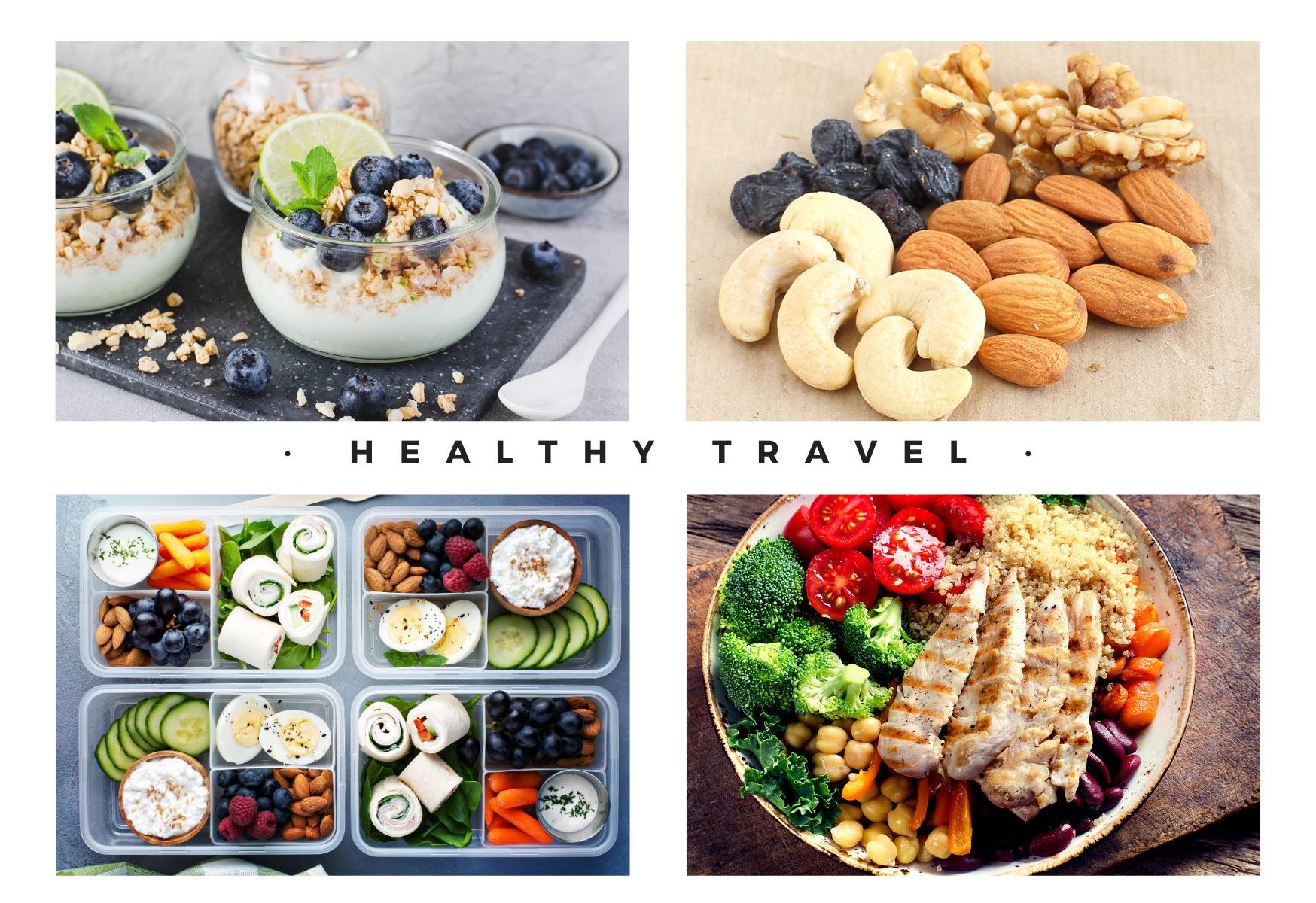
Before you set off, take a moment to think about your meals. Pack some healthy snacks, preferably those that don’t require refridgeration, such as nuts, dried fruits, or rice snacks. These can be lifesavers during long flights or road trips when healthy food choices might be limited.

Keep Hydrated:

It’s easy to forget to drink enough water when you’re busy exploring and staying hydrated is crucial while travelling, especially if you’re spending long hours in transit or exploring under the sun. Carry a reusable water bottle and refill it whenever you can (many airports have refill stations). It may also be beneficial to have an hydration accelerator (such as Hydralyte tablets) if you’re someone who feels a high degree of dehydration. Staying hydrated can help to keep your energy levels up and prevent overeating.

Choose Wisely:

When dining out, look for menu options that include plenty of vegetables, lean proteins, and whole grains. Don’t be afraid to ask for modifications, like dressing on the side or grilled instead of fried options.

Practice Portion Control:

It’s easy to overindulge while enjoying your travels, so practice mindful eating and portion control. Choose smaller portions or share meals with travel companions to enjoy a variety of dishes without overeating. Be mindful of how you’re thinking, listening and conversing whilst eating, and remember to focus your thoughts on slowly savouring your meal. It’s a good idea to listen to your body’s hunger and fullness cues to avoid unnecessary snacking.

Consider Accommodation with a Kitchen:

If your travel plans allow, choose accommodation that offers kitchen facilities such as holiday rentals, Airbnb, or extended stay hotels. This gives you the flexibility to prepare simple meals using fresh ingredients from local markets or grocery stores, ensuring you have control over what delicious and locally sourced food you eat.

Embrace the Local Flavors:

Part of the joy of traveling is trying new foods. Enjoy local delicacies in moderation and balance them with healthier choices throughout the day. For example, if you have a rich, indulgent meal for lunch, opt for a lighter dinner.

Research Local Cuisine in Advance:

Before you arrive at your destination, take some time to research the local cuisine and identify food options that align with your dietary preferences or restrictions. Look for restaurants or eateries that offer fresh salads, grilled proteins, or vegetable-based dishes. Apps like TripAdvisor or Yelp can be valuable resources for finding healthy dining options.

Be Mindful of Food Safety:

Pay attention to food safety practices, especially when traveling to destinations with different hygiene standards. Choose reputable establishments for meals, avoid consuming raw or undercooked foods that may pose health risks, and wash fruits and vegetables thoroughly before eating.

Prioritise Fruits and Vegies:

When dining out or grabbing meals on the go, make it a point to include vegetables and fruits in your selections. Opt for salads, vegetable soups, or side dishes that incorporate a variety of colourful vegetables. Fruits make excellent snacks and great dessert options, providing natural sweetness and many essential nutrients.

Be Mindful of Your Hunger:

Pay attention to your hunger and fullness cues. It’s easy to overeat when you’re surrounded by delicious food, but listening to your body can help you enjoy your meals without feeling uncomfortably full.

Stay Active:

Incorporate physical activity into your travel plans. Maintaining physical activity while traveling helps support overall wellbeing, enhances your metabolism and energy levels. Walking tours, hiking, or even a morning jog can help balance out the extra calories and keep you feeling energised.

Visit Local Markets:

Exploring community markets can be a fun way to find fresh, healthy foods. Pick up some fruits, vegetables, and other local produce to enjoy as snacks or to prepare simple meals if you have access to a kitchen.

Don’t Forget to Treat Yourself:

Don’t forget that it’s okay to treat yourself! Indulging in local specialties and trying new foods is a great part of the travel experience. Allow yourself to enjoy these foods in moderation while balancing them with healthier choices throughout your trip. Savouring unique flavours and culinary experiences adds to the richness of your travel memories.

Listen to Your Body:

Above all, listen to your body’s cues and honour your hunger and fullness signals. Pay attention to how different foods make you feel, both physically and mentally. Eating intuitively allows you to enjoy your travel experiences while maintaining a healthy relationship with food.

Eating healthy while traveling is achievable with a bit of planning, flexibility, and mindful thinking. By packing nutritious snacks, exploring local cuisine thoughtfully, staying hydrated, and incorporating physical activity into your itinerary, you can nourish your body and enjoy your travels to the fullest. Remember, the key is to strike a balance between enjoying new culinary experiences and maintaining your overall health and wellbeing. 

Keep up to date on all things self-care and wellbeing at our Well Above Being page for great food, travel, fitness and wellbeing tips.